Bodily Fluid Cleanup
Bodily fluid cleanup and disinfection for homes, care settings and businesses.
See bodily fluid cleanupGet human feces removed from a home, rental, workplace or public restroom in Lake Edge. The affected area is cleaned, disinfected and treated for odor before normal use resumes.
Human feces cleanup is a controlled process for taking away fecal matter and safely disposing of it, followed by cleaning, disinfection and odor treatment throughout the affected space.
Illness, an accident, a toilet overflow, sanitation trouble, hoarding or ongoing contamination in a shared area may leave you needing this service. The work may be done in your home or apartment, as well as an office, public restroom, hotel, school, store or care setting. When urine is also present, it can be cleaned along with the feces.
Visible waste is not the full extent of cleanup. A defined work zone keeps surrounding spaces protected while technicians take out contaminated material that cannot be disinfected. They clean hard surfaces, then use an EPA-registered disinfectant for the complete label contact time. Only after source removal does odor and air quality work follow, since fragrance by itself is not sufficient.
Your possessions are reviewed with you whenever circumstances allow. Objects are assessed individually instead of discarded only because of their location near the affected area.
When requested, pictures, work details and disposal paperwork can be organized for insurance companies, property managers and property owners.
Calls are answered during daytime and nighttime hours, and crews may use unmarked vehicles. You can discuss your circumstances calmly and without judgment.
The cleaning plan, possible removals and factors that could alter the scope are explained to you in advance. Questions are welcome throughout the entire process.
The condition, location or amount of contamination can make household cleaning impractical or unsafe. These are common circumstances in which professional cleanup services are appropriate:
An incident in an office, restroom, vehicle or shared space may require employers to arrange a prompt, documented cleaning process.
Employees and visitors need to remain outside a controlled cleaning area when waste is found in a hallway, office, store, stairwell or restroom.
When contaminants are combined, they can seep into wood, carpet, upholstery and grout. The contamination source must be removed before treating odors and stains.
A bowel accident can affect bedding, furniture, flooring and the path used to leave the room. The visible location and surrounding areas contacted by wheels, shoes or hands are included in cleanup.
Limit contact first, and prevent contaminated material from moving beyond the affected space. Use the following steps as you arrange the right cleanup service:
Call (888) 440-9227Yelp Costs lists an average range of $400 to $1,500 for human waste cleanup. Feces that soaks into carpet, padding or subfloor can cost more, and a published blood cleanup guide reaches $4,000 for deep spills as a comparison. These are published figures, not a quote. Your price depends on the amount, the surface and the odor work.
These national ranges are taken from published cost guides, rather than a property visit. An on-site assessment determines your property's price, which is explained to you before the cleanup starts.
Ask about cost: (888) 440-9227Coverage depends on what caused the contamination, which property was damaged and the terms, limits and exclusions in your policy.
Cleaning of commercial premises is usually organized by the business. Ask the insurance company what records it needs and keep the affected area closed until the work is finished.
Lease language, local regulations and the source of contamination can affect responsibility. If circumstances allow, property owners need to document the site and talk to the insurer prior to disposing of damaged building components.
Photos, an itemized scope and waste records may support the insurance claim. Confirm your right to choose the cleaning service, along with any separate authorization needed for restoration services.
Confirm with your insurance company whether the policy covers the cause and treats cleaning, damaged-material removal and restoration as distinct claim items. Insurance may distinguish a sudden occurrence from repeated lack of maintenance.
Remediation uses a controlled sequence that prevents waste from passing out of dirty areas and into clean spaces. Before cleaning starts, you receive an explanation of what is included at every stage.
During assessment, trained technicians locate affected areas and surfaces, note access limits, and check for urine, needles, an active sewage backup or blood.
The work zone is isolated by cleanup technicians, who wear protective gear selected for the specific exposure. Using uncontaminated paths in and out reduces risk to surrounding rooms.
Workers collect the visible matter cautiously, avoiding sweeping and spraying. Sealable sturdy bags or containers receive discarded material directly.
Carpet, padding, unfinished wood, drywall or furniture that cannot be fully cleaned may be removed with your approval and kept separate from clean items.
Cleaning first removes visible soil and residue from solid surfaces. Disinfectants must touch the underlying surface for their specified contact time to work.
An appropriate EPA-registered disinfecting product is applied to the surface in accordance with label instructions. If contact might have transferred contamination, workers include adjacent surfaces and commonly touched spots.
Odor work starts only after removal of its source. Workers may use air scrubbers and focused treatment when smells or particles extend past the original spot.
A final check looks for remaining smells, residue and overlooked surfaces. Bagged waste is managed under local rules, and any repair work can begin after cleanup.
Phone any hour. A specialist in human feces cleanup takes your call, explains each step and agrees on a start time with you.
The main health risks are direct contact and unintended spread because human feces may carry bacteria, viruses and parasites that cause disease during cleanup.
Until the waste is removed, surfaces are disinfected and final checks finish, keep children, older people and anyone with a weakened immune system away from the affected and surrounding areas.
Liquid and residue can penetrate beneath the surface of upholstery, drywall, unfinished wood, padding and carpet. Wiping the top may leave contaminated materials and odor behind.
Hidden among the waste may be needles, shattered glass or other items that can cut you. If you cannot view everything inside, keep your hands out of piles and do not squeeze bags.
Can you clean it yourself? A small, fresh accident on a sealed, non-porous surface may be manageable with disposable gloves, careful pickup and an EPA-registered disinfectant used for the full contact time on its label. Arrange professional cleanup if fecal matter is extensive or dry, contains blood or sharp objects, or has penetrated furniture, drywall, wood, carpeting or another porous surface.
Expect several hours when the affected area is small, contained and limited to hard surfaces. One or more workdays can be necessary for multiple rooms, porous items, hidden contamination or odor work. Repairs require additional time.
| Scene | Typical time on site |
|---|---|
| Small, recent hard-surface area | Often completed in several hours |
| One room with porous materials | May require a full workday |
| Several rooms or accumulated waste | May require multiple workdays |
Odor treatment begins with locating all sources and removing them. Fecal matter might remain inside damaged building materials, under furniture, below carpet, around baseboards or within grout. Covering the smell with fragrance is temporary and leaves the underlying contamination uncleaned.
Following source removal and disinfection, the room can be improved through controlled drying and ventilation, while air scrubbers capture airborne particles. Continued odor may indicate moisture, concealed residue, an active plumbing problem or urine. The space should not advance to repair or normal use until those sources receive attention.
Occupational contact with potentially infectious material or blood falls under OSHA Bloodborne Pathogens Standard 29 CFR 1910.1030 in the workplace. That definition does not necessarily include feces when no blood can be seen, but appropriate protective equipment and workplace controls remain necessary.
Follow the label by applying disinfectant to an appropriate surface and maintaining wetness for the entire required contact time. Remove soil you can see prior to disinfecting.
Wisconsin calls it infectious waste, and items saturated with human blood or body fluids are treated as infectious. The Department of Natural Resources rules control storage, transport and treatment, so it cannot go in household trash. Waste mixed with blood, sharps or other regulated material may require a different disposal path.
Local health and building rules can affect how a contaminated room is cleaned and when it can be used again, so mention any notice you have received from the city or county. Rentals, commercial properties and shared facilities may also be subject to local workplace, building, sanitation or health requirements.
The full human feces cleanup guide covers what is cleaned or removed, odor and air quality work, and the rules that apply in Wisconsin and Dane County.
Read the full human feces cleanup guide
Local housing, population and access details can shape containment, access and cleanup planning.
At roughly 4.2 miles away, SSM Health St. Mary's Hospital, Madison is the closest listed hospital for urgent care after a cut, puncture, or exposure.
Neighboring communities include Elvehjem, Eastmorland, and Rolling Meadows. If the property is near a boundary, mention the closest cross streets.
Because this is a neighborhood within Madison, cleanup access may depend on local parking, common entrances, or building management rules.
Your phone conversation can include questions about service in nearby ZIP codes and communities.
Bodily fluid cleanup and disinfection for homes, care settings and businesses.
See bodily fluid cleanup
Urine cleanup and odor removal address furniture, floors and subfloors.
See urine cleanup
Vomit cleanup and disinfection to stop norovirus and other germs from spreading.
See vomit cleanup
Any property receives disinfection after removal of infectious materials, including bodily fluids and blood.
See biohazard cleanup
After exposure to infectious or hazardous material, the air, room and surfaces are fully decontaminated.
See biohazard decontamination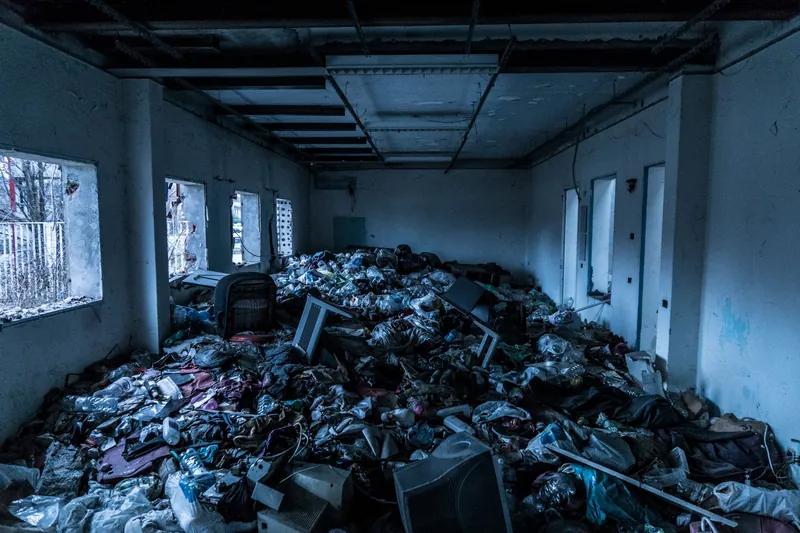
Hoarding cleanup combines respectful sorting, removal and deep cleaning.
See hoarding cleanup
Cleanup addresses severe filth and squalor when a home has become unsafe to live in.
See filth and squalor cleanup
Raw sewage cleanup of Category 3 black water, with disinfection and drying.
See raw sewage cleanupThe strength of an odor does not show how dangerous an area is, but disturbing dry waste can release contaminated dust or droplets. Never brush, sweep or vacuum it with home equipment. Leave the area, limit airflow into clean rooms and arrange professional cleanup when waste is dried, extensive or present in a poorly ventilated space.
A single safe cutoff for time does not exist. How long an organism remains viable varies by parasite, bacterium or virus and depends on moisture, temperature and sunlight. Do not assume older, dried waste is safe simply because it has been present for a while. If the quantity or affected surfaces exceed a minor household accident, keep away and have the waste removed under controlled conditions.
Affirmative. Because illness-causing bacteria, parasites and viruses may be present in human waste, do not touch it directly or carry contamination to adjacent rooms. The waste itself, duration and individual involved all influence the exposure risk. Widespread, dried or soaked-in contamination calls for professional biohazard cleanup.
Consider professional cleanup if feces are widespread, dry or recurring, contain blood or sharp objects, or have affected carpeting, lumber, wallboard, furnishings or ventilation ducts. It also helps in commercial spaces and hoarded homes where many people or rooms may be affected. A limited amount that is fresh and confined to a sealed surface might be manageable.
Cost responsibility can change based on the property, event and applicable coverage. A homeowner may pay directly or open a claim. Depending on the setting, an employer, tenant, property owner or manager might need to pay. Record the property's condition, read relevant lease or policy language and confirm with the insurance company which cleanup and restoration documents are required.
Coverage is possible, depending on what happened and the terms of your policy. Repeated contamination, neglect and maintenance problems may receive different treatment than a sudden loss covered by the policy. Tell the insurer what happened, ask about biohazard remediation and damaged materials, and confirm the deductible, limits, exclusions and documentation needed before major items are discarded.
Discreet, respectful human feces cleanup, 24 hours a day, with crews in unmarked vehicles.